
The Impact of New Jersey's Weather on Your HVAC System: What to Consider
Understanding New Jersey's Climate
New Jersey is known for its diverse climate, ranging from hot, humid summers to cold, snowy winters. This variability can significantly impact the performance and longevity of your HVAC system. Understanding these effects is crucial for homeowners looking to maintain comfort and efficiency year-round.

Summer Challenges
The summer heat in New Jersey can be intense, pushing your air conditioning system to its limits. High temperatures and humidity levels force your AC unit to work harder, which can lead to increased energy consumption and potential system breakdowns. Regular maintenance, such as cleaning filters and checking refrigerant levels, is essential to ensure optimal performance.
Winter Considerations
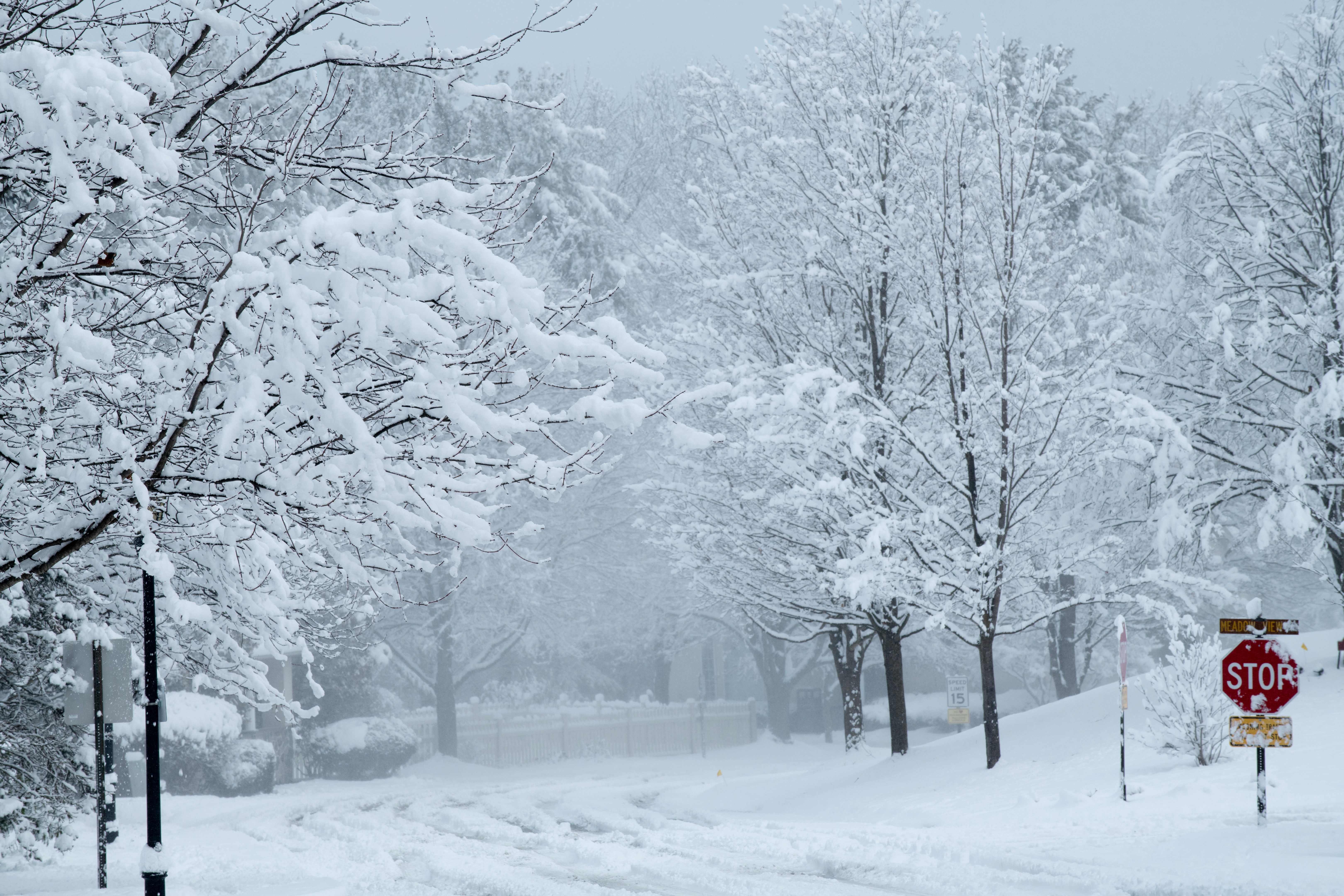
Winters in New Jersey can be harsh, with freezing temperatures and heavy snowfall. Your heating system, whether it's a furnace or heat pump, must be in top condition to keep your home warm. It's important to inspect your heating system before winter hits to avoid unexpected failures during the coldest months.
Maintenance Tips for Year-Round Efficiency
Regular maintenance is key to ensuring your HVAC system runs smoothly throughout the year. Here are some tips to keep your system in top shape:
- Schedule bi-annual check-ups: Have a professional inspect your system before summer and winter.
- Change filters regularly: Replacing filters every 1-3 months enhances airflow and efficiency.
- Inspect ductwork: Sealing leaks in ducts can improve efficiency and reduce energy bills.
Weather-Related Wear and Tear
The fluctuating weather conditions in New Jersey can lead to wear and tear on your HVAC system. Components such as motors, fans, and belts can deteriorate faster due to constant usage and temperature extremes. Regularly inspecting these parts can prevent minor issues from becoming costly repairs.

Energy Efficiency Considerations
With energy costs on the rise, ensuring your HVAC system is energy-efficient is more important than ever. Investing in a programmable thermostat can help manage energy usage by automatically adjusting temperatures when you're not home. Additionally, upgrading to a modern, energy-efficient system can provide long-term savings.
Preparing for Seasonal Changes
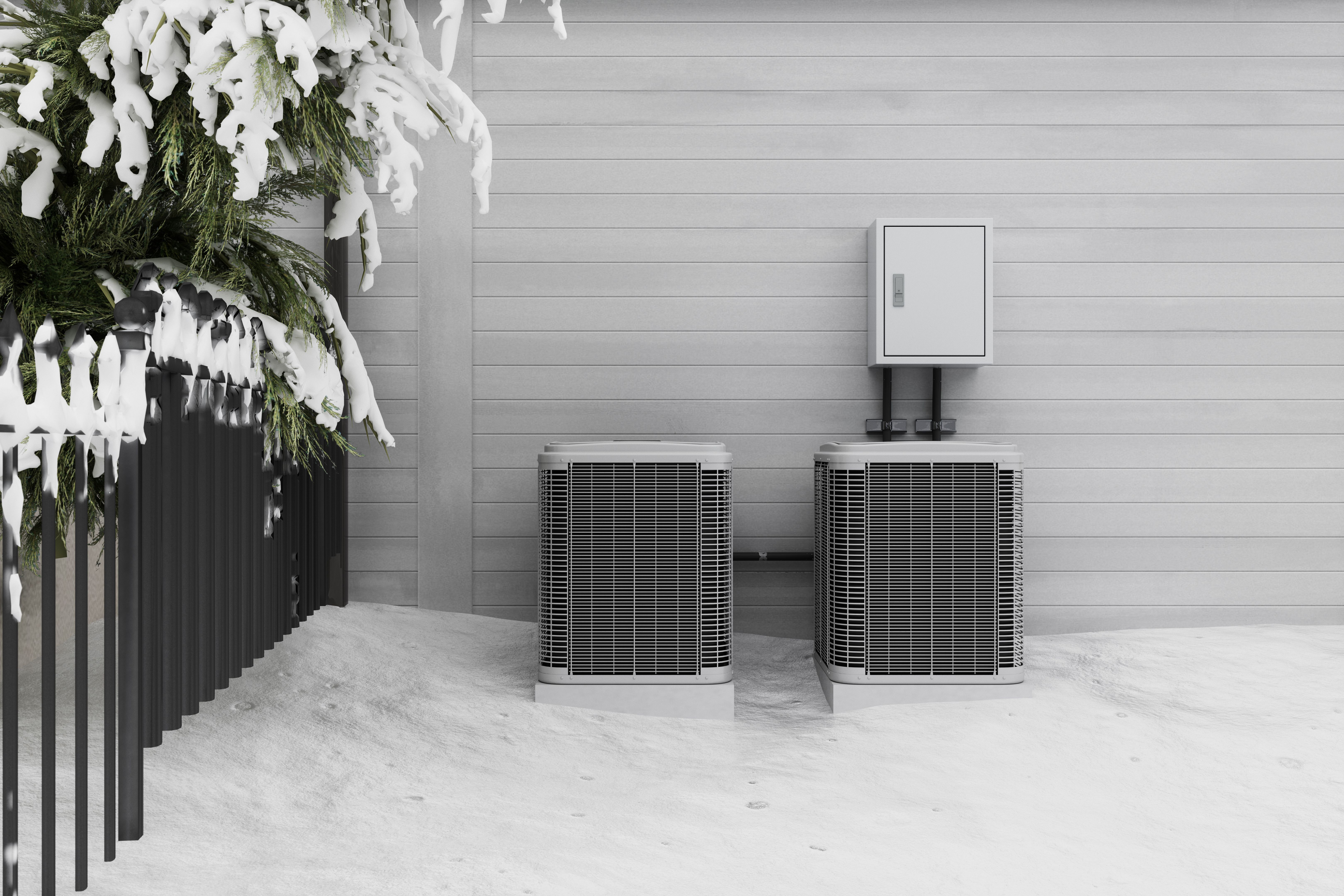
Proactively preparing your HVAC system for seasonal changes can save you time, money, and stress. Simple steps like cleaning outdoor units, checking insulation, and ensuring proper ventilation can make a significant difference in performance and reliability.
In conclusion, New Jersey's weather presents unique challenges for HVAC systems. By understanding these impacts and taking proactive measures, you can ensure your system operates efficiently, providing comfort throughout the year. Regular maintenance and smart investments in energy efficiency can not only extend the life of your HVAC system but also contribute to a more sustainable home environment.