
DIY AC Troubleshooting: Common Issues and Quick Fixes
Understanding Your AC System
As the temperature rises, a well-functioning air conditioning system becomes essential. However, just like any other appliance, your AC can encounter issues. Before calling in a professional, you can perform some DIY troubleshooting to identify and possibly fix common problems.
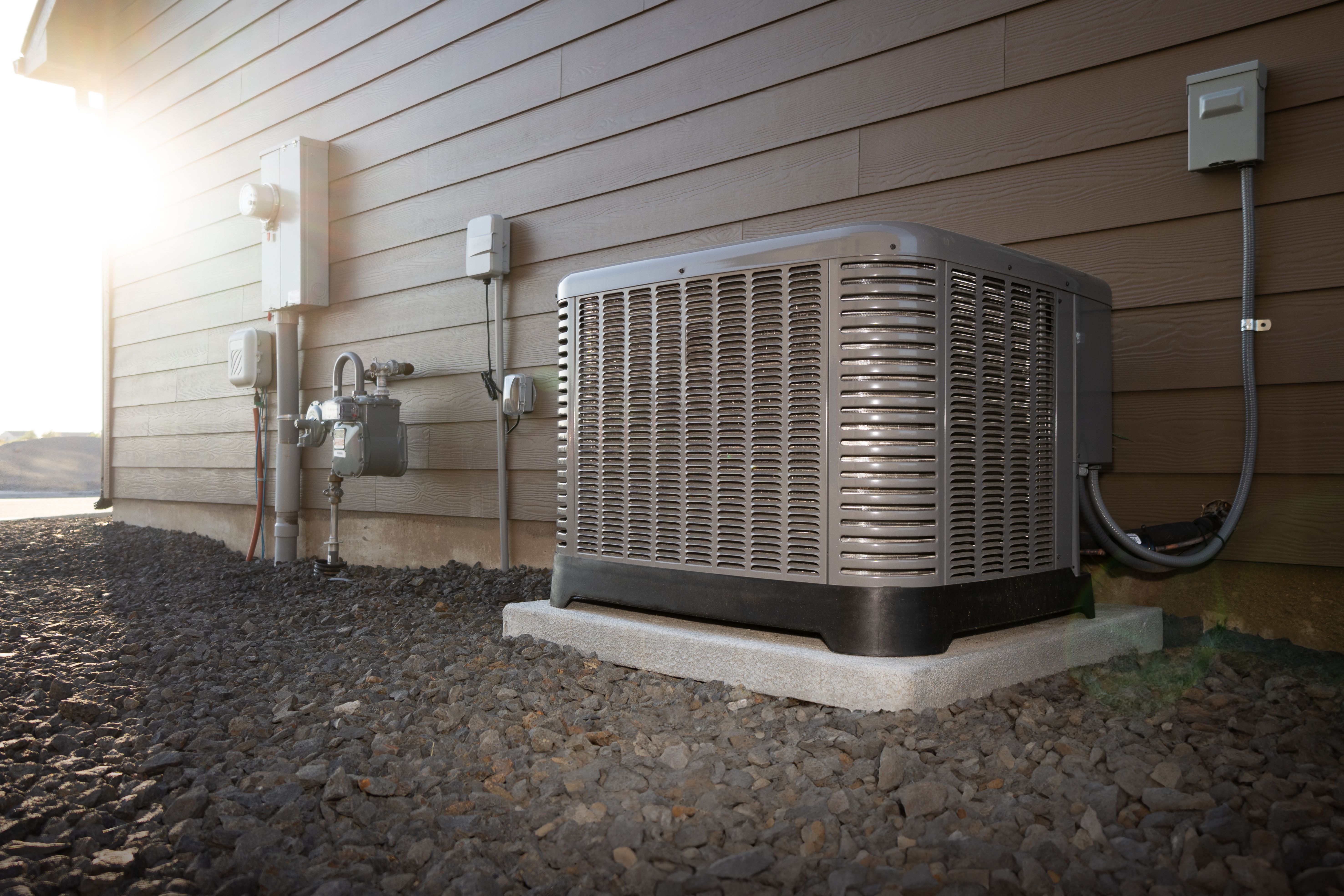
Understanding the basic components of your AC system can help you better troubleshoot issues. The main parts include the thermostat, evaporator coil, condenser, and refrigerant. Recognizing how these components work together will enable you to spot potential problems more easily.
Common AC Issues
AC Not Turning On
If your AC isn't turning on, the issue could be as simple as a tripped circuit breaker. Check your electrical panel and reset the breaker if necessary. Ensure that the thermostat is set to "cool" and the temperature setting is below the current room temperature.
If these steps don't resolve the issue, inspect the thermostat batteries. Dead batteries are a common yet easily overlooked cause of an AC unit not powering on.
Poor Airflow
Poor airflow can result from a dirty air filter. A clogged filter restricts airflow, causing your AC to work harder than necessary. Regularly replacing the air filter can prevent this problem and improve your system's efficiency.

Another cause of poor airflow might be blocked or dirty ducts. Inspect them for any visible obstructions or debris and clean them as needed.
Quick Fixes for Cooling Issues
AC Not Cooling Properly
If your AC runs but isn't cooling effectively, check the thermostat settings. Ensure it's set to the correct mode and temperature. If the issue persists, check the outdoor unit. Clear any debris or obstructions around it, as these can impede airflow and reduce efficiency.
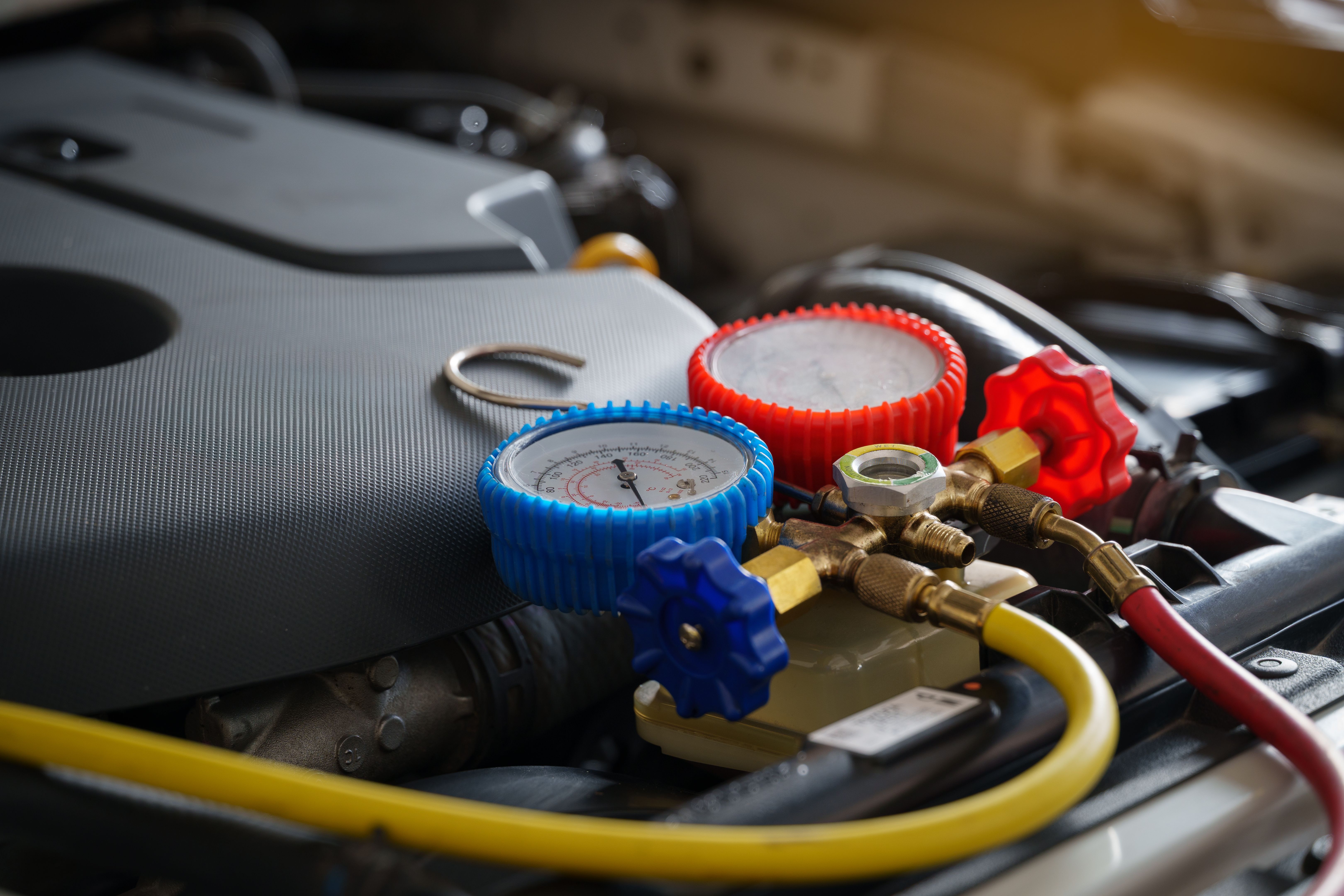
Low refrigerant levels can also cause cooling issues. While this isn't a DIY fix, you can check for signs like ice buildup on the evaporator coil or a hissing sound indicating a leak.
Strange Noises
Unusual noises from your AC can be alarming. Rattling sounds might indicate loose parts, while a squealing noise could be due to a worn-out belt. Tightening any loose screws or replacing worn belts might solve these issues.
If you hear grinding or banging, it's best to turn off the unit and contact a professional to avoid further damage.
Preventive Maintenance Tips
Regular maintenance can prevent many common AC issues. Here are some tips to keep your system running smoothly:
- Replace air filters every 1-3 months.
- Schedule professional maintenance annually.
- Keep the outdoor unit free of debris and obstructions.
By proactively maintaining your AC, you can extend its lifespan and ensure it operates efficiently throughout the cooling season.